Call Now
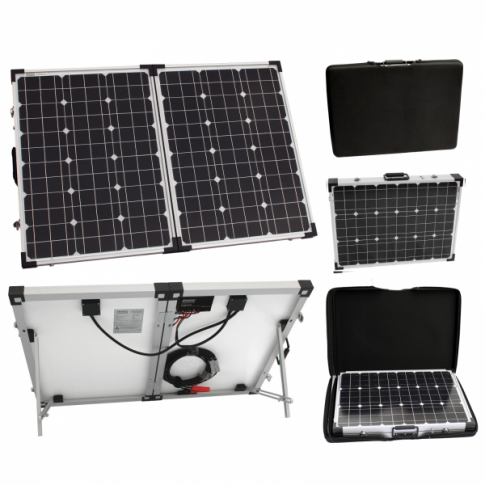
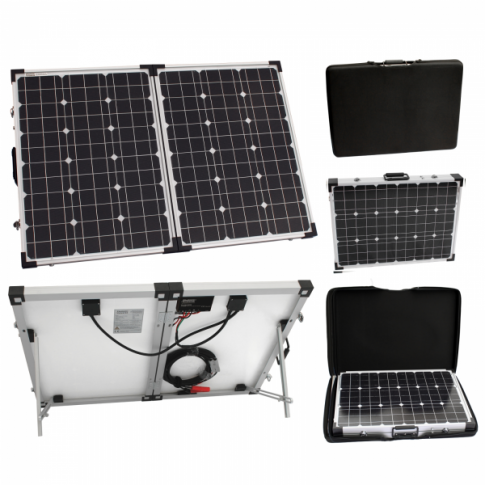
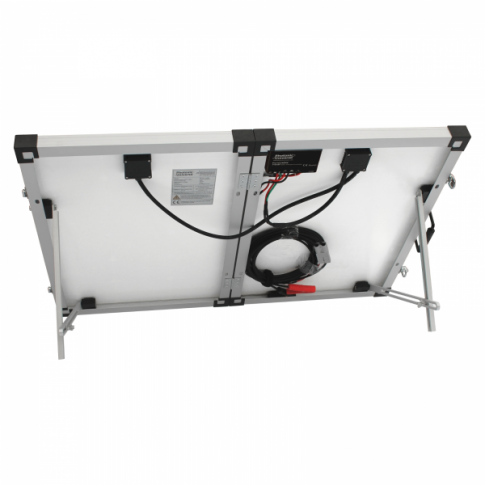
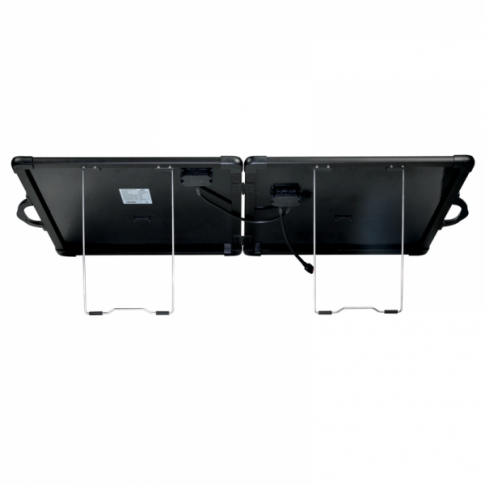

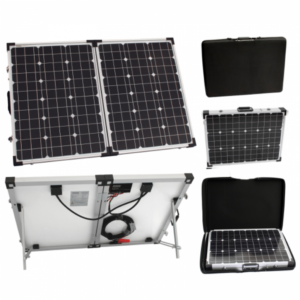

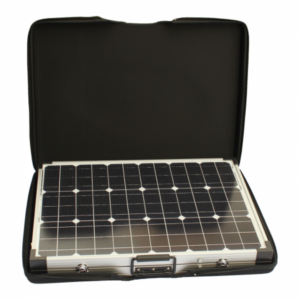
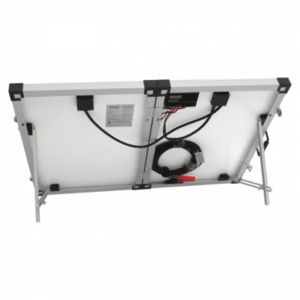
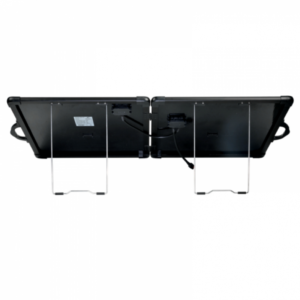
In addition, the solar charge controller has a very high degree of water protection – IP67 (which means it’s completely sealed), so it is absolutely safe to use this solar kit in all weather conditions.
This model also features advanced communication technology, which offers the user the opportunity to monitor and program parameters for the solar charge controller through various methods:
1) The controller can be connected to a remote meter MT50 with an LCD screen, which displays system performance information and allows the user to manually adjust parameters and load settings. Requires a RS485 to RJ45 cable to extend from controller to the remote meter.
2) The controller can be connected to a Wi-Fi module to create a Wi-Fi network, to which your mobile phone or tablet can connect, in order to monitor or adjust charging parameters and controller settings through a free mobile app – Solar Station Monitor (available for Android and iOS users). Requires an RS485 to RJ45 cable to extend from the controller to the Wi-Fi module.
3) An RS485 to USB cable can be used to connect the controller directly to your PC / laptop, where parameters and settings can be monitored and adjusted via a free computer program – Solar Station Monitor (Windows-based PCs and laptops only).
Using one of these communication methods, the user will gain access to various charging parameters such as voltage, current (separately for solar panel / load), battery state of charge, accumulated charge and discharge energy, min/max voltage and other information. If required the user will also be able to amend the battery type and capacity, set charging volts for different charging stages, specify the duration of each charging stage, create a user-defined battery type with charging parameters specific to their battery (if the pre-existing options are unsuitable), personalise the ‘load’ settings (e.g. set timers for lighting, fans, pumps) and more.
The kit is suitable for sealed, gel and flooded 12V batteries: the solar charge controller allows battery type selection for maximum efficiency of charging.